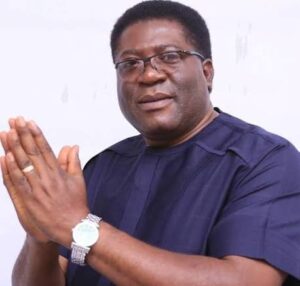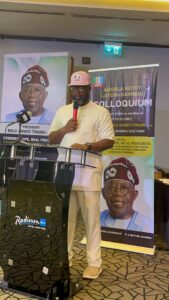
Mudashiru Obasa, the formidable Speaker of the Lagos State House of Assembly, just suffered a rare and bruising political defeat on his home turf. His handpicked candidate for the Agege Constituency I APC ticket, former local government chairman Ganiyu Kola Egunjobi, was soundly defeated by Oluwagbenga Michael Abiola.
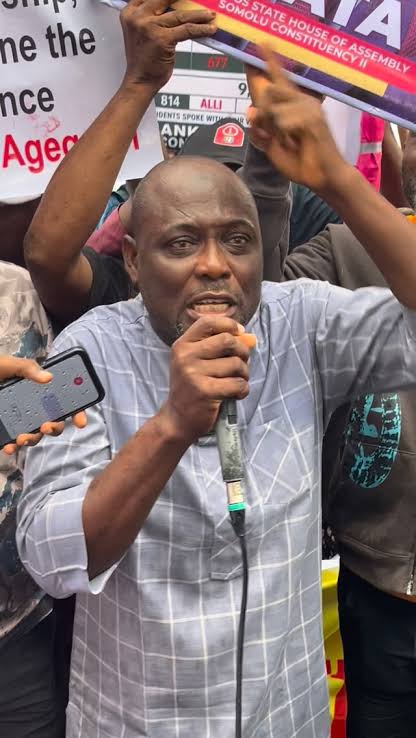
Allegations of rigged results, claims of a “stolen mandate,” and hundreds of angry protesters storming the APC secretariat in Ikeja to demand a total reversal. But behind the chaos on the streets lies a deeper story of a party elite determined to cut the Speaker down to size.
Inside sources reveal this wasn’t an electoral fluke—it was payback.
”Elders and leaders have been watching Obasa’s dominance, and the primaries were the perfect trap to spring,” a party insider whispered.
The grievances run deep. Opponents within the APC haven’t forgotten last year’s botched coup to impeach Obasa while he was vacationing in the US, a crisis that required President Bola Tinubu’s personal intervention to save the Speaker’s seat.
Add to that the baggage of Obasa’s inner circle—including lingering whispers surrounding the controversial 2023 death of a young man within the community linked to the political heavyweight Chief Akinropo—and party elders decided they had seen enough.
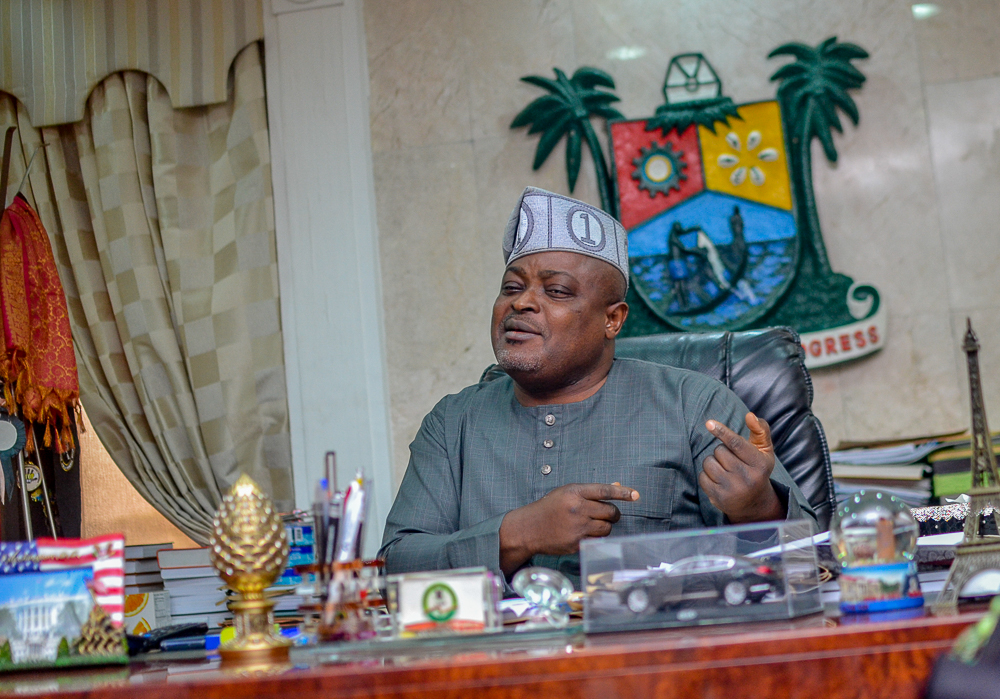
The allegation has contributed to the perception of tension within the APC in Agege. Political observers note that such claims, whether proven or not, can influence public perception and shape internal party dynamics during highly competitive nomination processes.
While Obasa’s camp is pulling out all the stops to get the APC National Working Committee to change the verdict, the word from the top is clear: the Speaker isn’t getting his way this time.
For critics within the party, the recent primary was viewed as an opportunity to reassess the influence of the Speaker’s camp and signal that party structures remain subject to broader collective decision-making.
Despite the protests by supporters of Egunjobi, party sources indicate that the likelihood of the APC National Working Committee overturning the primary result appears uncertain.
Some chieftains within the party are said to be determined to uphold the declared outcome, viewing it as a reflection of the party’s internal decision-making process. Others argue that the controversy may continue to generate debate about transparency, consensus-building, and the distribution of political influence within the APC.
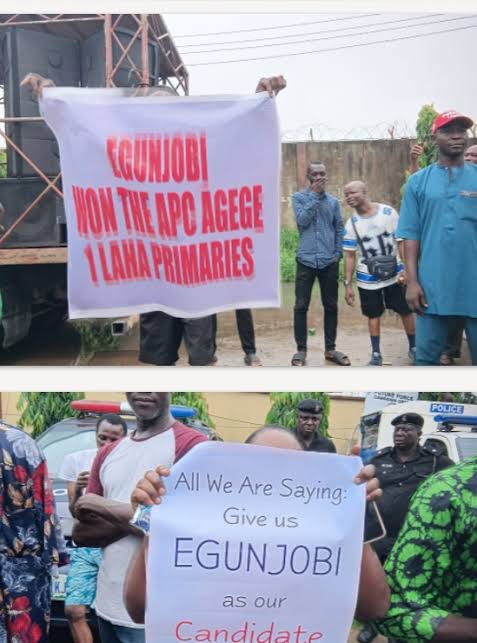
For Agege, the primary result represents more than the selection of a candidate; it has become a test of how power is negotiated within one of Lagos State’s most politically significant constituencies.
As the APC prepares for the next phase of the electoral cycle, the Agege Constituency I contest is likely to remain a reference point in discussions about party cohesion, leadership influence, and the evolving dynamics of Lagos politics.