BY NWACHUKWU SAMUEL AMOBI
The world’s focus is firmly on Brazil this year to find balance between economic growth and viable management of natural resources.
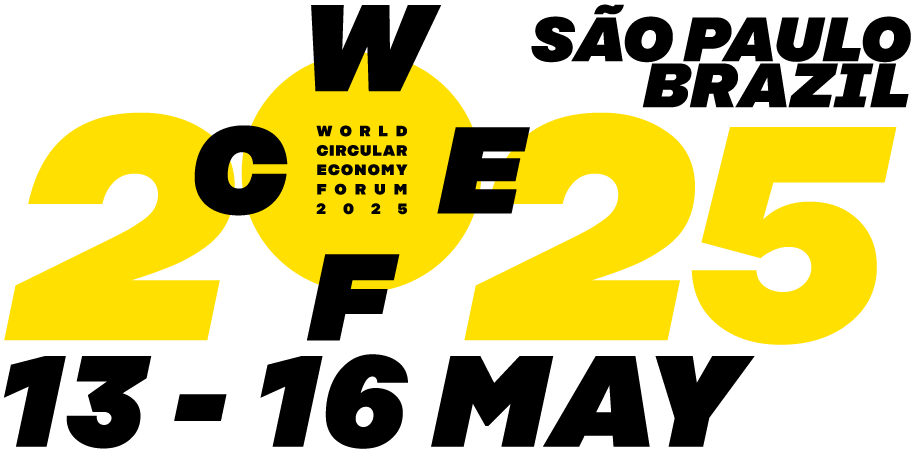
The key element in tackling the root causes of the climate and biodiversity crises and overconsumption — a circular economy — will be in the spotlight in May, when the 9th non-profit World Circular Economy Forum WCEF kicks off in São Paulo. Learnings and solutions from the world’s top thinkers and doers of economic reform will be key ingredients in getting more out of the COP30 climate negotiations in Belém in November.
This year’s edition of the WCEF will explore the potential of a wide range of solutions for sustainable growth and the relevance of circularity in the transition to a low-carbon, fair, and inclusive economy.
The programme on 13 and 14 May consists of 4 plenaries and 12 parallel sessions guided by the latest scientific evidence. The plenaries will address cross-cutting thematic issues, while the parallel sessions will delve deeper into specific topics, presenting inspiring, practical and scalable examples of the circular economy.
The programme package will be spiced up with a variety of accelerator sessions held by WCEF’s collaborators on 15 and 16 May in São Paulo and around the globe. The sessions will connect the forum’s themes with the daily activities needed for the circular transition, providing greater audience engagement and allowing for an in-depth exploration of specific topics.
Some examples of topics covered in the just published programme include:
- A data-driven picture of the status of the circular economy and global material use
- What system changes are needed to drive the transition to a circular economy
- Deepening the exchange of knowledge to accelerate partnerships between regions, emphasising the Southern and Northern hemispheres’ integration and
- Circular strategies of industries.
“The productive sector, especially industry, plays a central role in leading the way towards a circular economy by implementing concrete solutions to make production processes more sustainable”, underlines Kalil Cury Filho, Deputy Director of the Sustainable Development Department of FIESP, about the programme choices.
In Brazil, circular production systems have been gaining traction. A 2024 study conducted by CNI and the Circular Economy Research Center at the University of São Paulo (USP), surveying the national industrial base, revealed that 85% of industries in Brazil implement at least one circular economy practice.