BY ADEDOYIN OLATAYO EMMANUEL
The Nigerian Communications Commission (NCC) has set 2027 as a key milestone for the early adoption of Internet Protocol version 6 (IPv6), with plans for at least 20 per cent of government networks and 25 per cent of telecommunications operators to migrate to the new protocol.
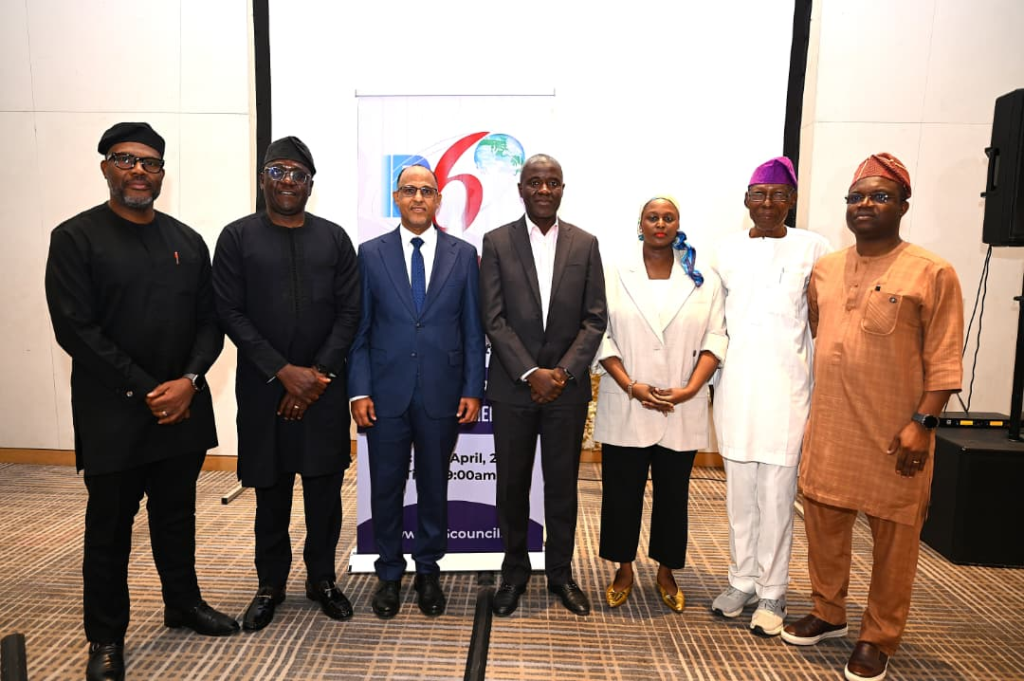
The Executive Vice Chairman of the NCC, Dr. Aminu Maida, disclosed this during the inauguration of members of the IPv6 Council held in Lagos on Thursday. He added that the Commission is aiming for wider nationwide adoption by 2030.
According to Independent News Express, IPv6 is the latest version of the Internet Protocol, which enables identification and location of devices on networks and facilitates data routing across the internet. Developed by the Internet Engineering Task Force (IETF), IPv6 was designed to address the exhaustion of IPv4 addresses and eventually replace the older system. It became a Draft Standard in December 1998 and was later ratified as an Internet Standard on July 14, 2017.
Represented at the event by Engr. Abraham Oshadami, Executive Commissioner for Technical Services, Maida stressed that adopting IPv6 is now critical for Nigeria’s digital future.
“IPv6 is no longer optional; it is a strategic necessity. The investments we make today will shape Nigeria’s digital competitiveness tomorrow,” he said.
He further explained that the NCC, in collaboration with the Nigeria IPv6 Council, has launched a National IPv6 Implementation Strategy to drive adoption across various sectors. The initiative is expected to fast-track migration, with the 2027 targets serving as a foundation for broader adoption by 2030.
Also speaking, the Chief Executive Officer of the Internet Exchange Point of Nigeria (IXPN), Muhammed Rudman, attributed the slow transition from IPv4 to factors such as low demand, limited awareness, and the continued availability of the older protocol.
“Most users simply want internet access without considering whether it is IPv4 or IPv6. This lack of demand means operators face little pressure to migrate, despite the importance of doing so,” Rudman noted.
He observed that although many network operators in Nigeria have IPv6 capability, only a few have fully deployed it to end users. As a result, Nigeria lags behind the African average adoption rate of about six per cent, raising concerns about its ability to keep pace with global technological advancements.
Rudman also highlighted the need for capacity building, pointing to a growing skills gap caused by the migration of trained engineers out of the country.
In his remarks, technology expert Chris Uwaje called for a strategic shift in Nigeria’s digital infrastructure development, emphasising the importance of achieving digital sovereignty.
“We cannot continue to rely on outdated systems while the rest of the world moves forward,” Uwaje said.