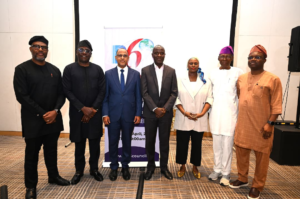
Six West African countries have taken united action to fight ecosystem degradation, with the launch of the REWarD – Volta River Basin initiative.
The six Volta River Basin countries – Benin, Burkina Faso, Côte d’Ivoire, Ghana, Mali, and Togo – have all experienced increased ecosystem degradation in recent years, including river sedimentation, invasive aquatic species, coastal erosion, loss of soil and biodiversity and water pollution.
Launched in Ouagadougou today, the $7-million REWarD project is a response to the growing pressure on the basin’s natural resources brought about by the region’s rapid population growth. One of the fastest-growing regions in the world, the Volta Basin’s population is expected to reach almost 34 million by 2025, and to top 68 million by 2046, bringing with it rapid urbanization, growing demands for food, water and energy, and a rapid growth in livestock numbers.
Combined with climate change and variability, these factors pose a real threat to the ongoing sustainable development of the Volta Basin and the integrity of its natural resources.
“The Volta River Basin, which spans six West African countries, illustrates the complexity of transboundary water management,” said Christine Haffner-Sifakis, UNEP International Waters Programme Manager. “It is home to more than 29 million people, and its natural resources sustain the region’s livelihoods, food security, and economic development.”
The five-year REWarD project led by UNEP with financing from the Global Environment Facility will work to improve cooperative agreements among the six countries sharing the Volta River and its natural resources in order to reverse ecosystem and water resource degradation in the Volta Basin.
With an emphasis on implementing ecosystem-based approaches in the basin’s main economic sectors – crop farming, livestock rearing and riverine fishing, the project will provide governments and communities with science-based information on the status of the basin resources to foster a conducive environment for sustainable economic development and natural resource use.
“Deploying ecosystem-based management practices will ensure sustainable benefits for people and nature in the Volta Basin,” said Dr Jacques Somda, IUCN Country Director in Burkina Faso.
In order to foster cooperation for the sustainable use of transboundary water systems, the project will ensure that political commitment, shared vision and improved governance are demonstrated for joint ecosystem-based management of transboundary water bodies. On-the-ground demonstration actions will be implemented, including on improving water quality and quantity, and management of fisheries and coastal habitats.
To bolster economic growth and the restoration and conservation of water-related ecosystems, the project will work to improve the governance of shared water bodies, including joint management of groundwater and surface water resources, through regional institutions and frameworks for cooperation.
In addition to efforts to build the capacity of regional and national institutions to incorporate climate variability and change, including improved flood and drought management capacity, the project will provide community-oriented drought early-warning systems and implement measures on the sustainable use of water for crop and livestock production to improve food security, productivity and incomes.
The REWarD project will be implemented in collaboration with the International Union for Conservation of Nature, the Volta Basin Authority (VBA) and the Global Water Partnership in West Africa (GWP West Africa), alongside national ministries in charge of water resources and other relevant authorities in the six basin countries.
“The implementation of the project offers GWP West Africa the opportunity to strengthen its collaboration with UNEP, IUCN, VBA and other partners while enhancing the resilience of people and ecosystems to the impacts of climate change in the Volta basin,” GWP West Africa Executive Secretary Armand Houanye said.
Initial project activities will be carried out in transboundary sites identified in sub-basins including the Sourou sites between Mali and Burkina Faso, the Otti sites between Togo and Ghana, and the Bagri/Manoa sites in the Black Volta between Burkina Faso and Ghana.
Speaking at the project launch, Robert Dessouassi, the Executive Director of VBA, highlighted the numerous and complex development challenges faced in the Volta Basin. He also expressed his appreciation for the valuable collaboration with UNEP, IUCN, and GWP West Africa, emphasizing the significance of their strong partnership.